



Last updated:
The Invisible Architecture of a Well-Designed Life
The most functional parts of a well-designed life are the ones nobody sees: the decisions made in advance, the structures that make default behavior aligned behavior, the principles that govern without requiring constant enforcement.
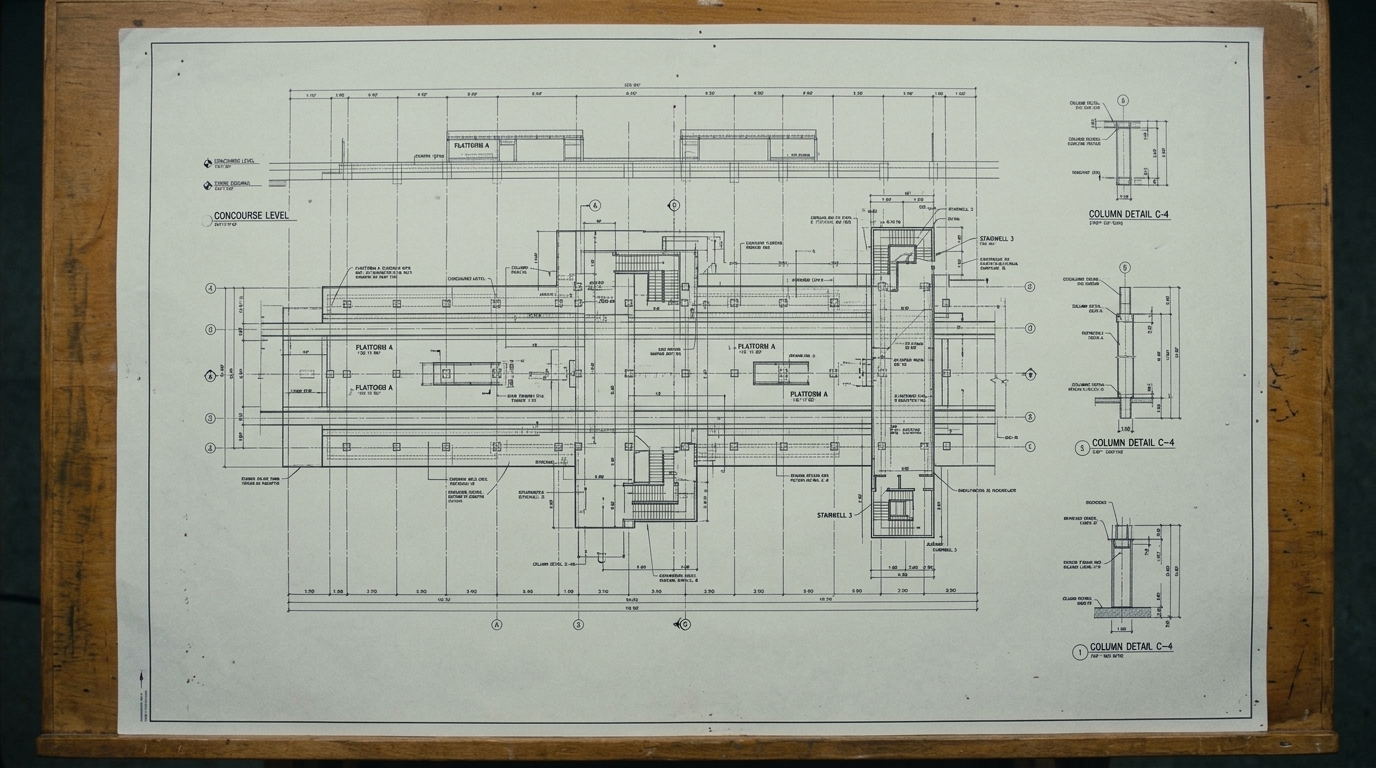
The lives that look most intentional from the outside are built on structures nobody sees.
Not the visible outputs, the work, the results, the consistency. Those are what people observe. But beneath the visible output is a layer of architecture that made those outputs possible: decisions made in advance, systems that remove the need to decide repeatedly, defaults configured to align with what matters, principles that govern without requiring constant enforcement.
This is the invisible architecture. And it is exactly why most attempts to model someone else's life fail, they copy the outputs while missing the structure that produces them.
What Architecture Does
Architecture in a physical building performs one primary function: it determines what is possible and what is not, without requiring constant decision-making. The shape of the building, the placement of load-bearing walls, the relationship between spaces, these constrain and enable, silently.
The same function exists in life design. A well-constructed personal architecture makes aligned behavior the path of least resistance and misaligned behavior the exception that requires effort. The person with good architecture doesn't fight themselves to maintain the disciplines that matter. The disciplines are built into the structure of their days and decisions.
Most people approach life design through willpower: deciding to behave differently and then relying on motivation and discipline to sustain the decision. This works temporarily and degrades under pressure. Architecture approaches the same problem structurally: instead of deciding to behave differently, you design the environment and defaults so that the desired behavior is what happens naturally.
The Three Layers of Invisible Architecture
Layer 1: Standing decisions.
A standing decision is one you make once and don't make again. Not "should I exercise today?" but "I exercise before client work, always." Not "how should I spend Sunday afternoons?" but "Sunday afternoons are for reading and no screens after 8." Standing decisions reduce the cognitive load of recurring choices and remove the vulnerability to momentary motivation.
Most people make these decisions again each time they encounter the situation. That means the decision quality degrades under fatigue, stress, and competing demands. Standing decisions made in advance hold even when the conditions for good decision-making are absent.
Layer 2: Designed defaults.
A default is what happens when no deliberate choice is made. Most defaults are inherited: the social environment you grew up in, the rhythms of people around you, the path of least resistance in your context. Designed defaults replace inherited ones with intentional ones.
This looks like: the thing that happens automatically when you sit down to work, the way you respond to requests without deliberation, the content you consume when you open a device without an intention. Each of these can be designed. The question is whether the default serves what you're building or whether it was set by someone else's agenda.
Layer 3: Governing principles.
Principles are the load-bearing walls. They determine what's possible and what isn't without requiring enforcement. A principle like "I don't accept work that can't be completed with the quality level I'd be proud of" functions differently from a rule. Rules require monitoring and enforcement. Principles become part of how you see situations.
When a principle is genuinely internalized, it doesn't require remembering or enforcing. It operates as a filter that processes decisions before they reach the point of deliberation.
Why Architecture Is Invisible
The paradox of good personal architecture is that when it's working, it's transparent. The decisions made in advance aren't visible. The configured defaults look like habits. The governing principles look like character.
This is why studying highly functional people often produces frustrating results. What looks like discipline is usually structure. What looks like natural character is usually a set of internalized principles that took years to build. What looks like consistency is usually a set of standing decisions that eliminate the need for consistent willpower.
The architecture isn't hidden. It just doesn't appear in the output.
Building It
Architecture is built backward. You start with what you're building and ask what needs to be true for that to happen reliably.
If you're building deep creative work, what needs to be true about your mornings? Your technology defaults? Your commitments to others that constrain your time?
If you're building a specific kind of life balance, what needs to be true about how requests reach you? What standing decision about evenings makes that balance structural rather than aspirational?
The question at every layer is the same: can I make this the default rather than the decision? If yes, make it the default. Defaults compound. Decisions deplete.
A life that looks designed from the outside was built from the inside, from a layer that never gets posted or talked about. That layer is the real work.
Also published on
Comments
No comments yet. Be the first to share your thoughts.