
Media Kit
Media Kit
Press assets, brand guidelines, and media resources for Devin Marshall.
Devin Marshall
Live by design, NOT by default.
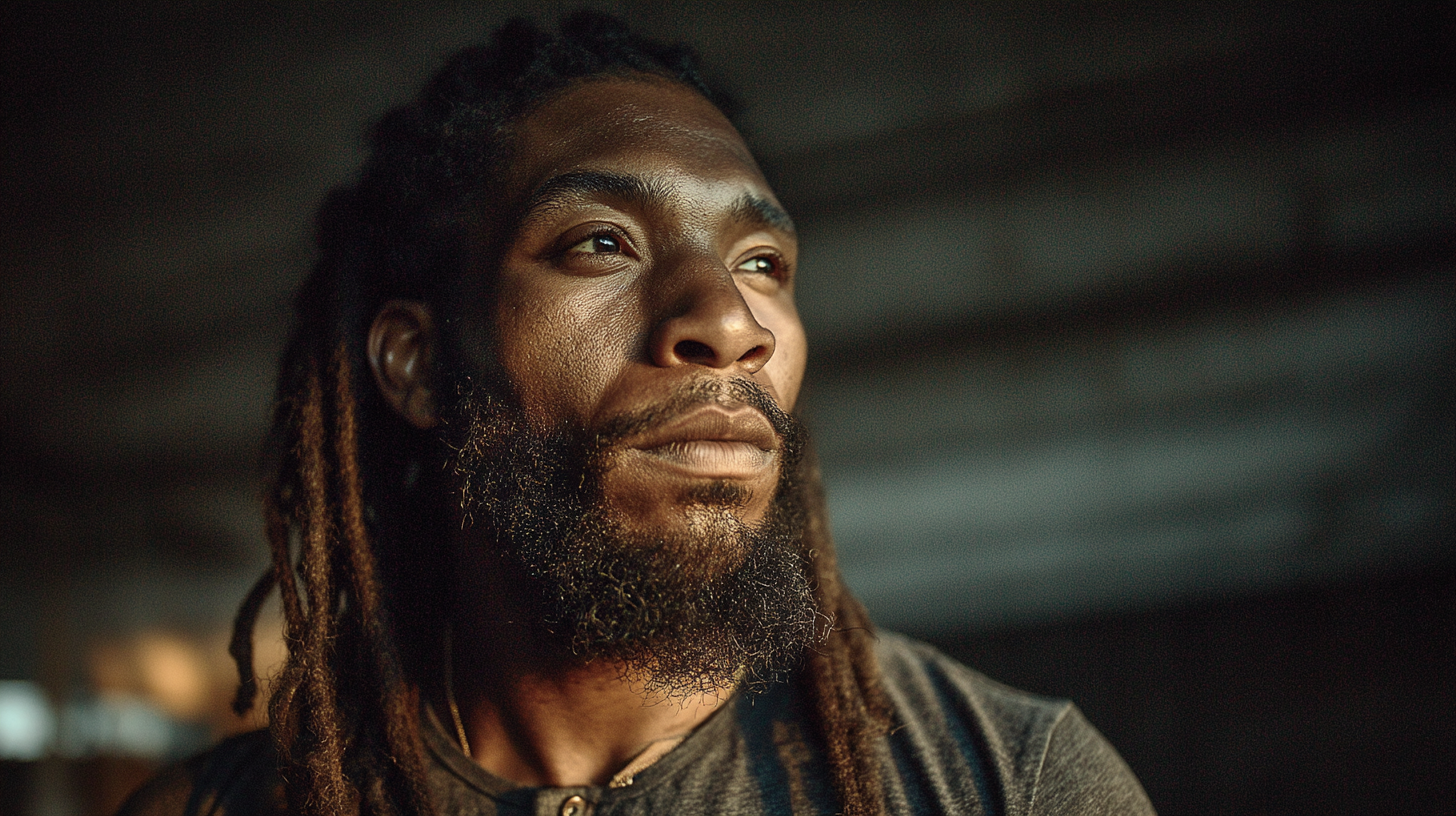
From Default to Design
Baltimore gave me a lot of things. A tough skin. A short fuse. And a very clear picture of where I was headed if I didn't change something.
I was born March 31, 1985. Raised by a single mother who did everything she could with what she had. I was not a good student. Not an easy kid. I got expelled from grade school. Then high school. The system didn't know what to do with me and honestly, I didn't know what to do with myself either.
Job Corps was the first place that gave me a direction. I was studying Electrical Wiring; vocational, practical, real. But completing the program required employment. I needed a job. Fast.
Service was the fastest answer. It was also a way out; out of Baltimore, out of the environment I'd grown up in, out of the version of me that was slowly forming there.
I enlisted.
They taught me discipline. They did not teach me how to be a man.
I had my first son while I was still in uniform. I could not be the father he needed. That weight doesn't just sit on you; it becomes part of you.
A deployment did something else to me. Something I didn't have a name for when I came home. I know what it was now, PTSD. Back then it was just pressure I couldn't explain and couldn't escape. So, I didn't deal with it. I managed it the wrong way. Carried it in silence for fourteen years; self-medicating, staying in motion, never stopping long enough to actually look at it.
When I left the service, I had the baggage and none of the tools.
I got into trouble. Started moving in a direction I recognized was wrong and kept moving anyway. Baltimore had a way of pulling you back into the current if you let it.
So, I left.
Late 2005. I caught the Greyhound to Florida with not much more than the intention to start over. Took every job I could find; working jobs nobody brags about, putting my electrical training to use wherever I could, learning things nobody planned to teach me.
In 2008 I had my second son.
The questions I'd been half-asking got sharper. I couldn't keep floating. I started getting serious about figuring out what it actually meant to be a man, the real version, not the one I'd been performing. I sought psychiatric help. Started reading. Studying frameworks. Testing ideas against my own life. The self-medication never fully went away but for the first time I was dealing with the source, not just quieting the signal.
By 2012 I was working inside VA medical centers, serving veterans while still quietly carrying my own damage. The irony of that was not lost on me.
In 2015 I left Florida and moved to Georgia. That's when I picked up a camera. Videography became something real, a way to tell a story, at a time when I was still learning how to tell my own.
Then in 2016 I had my third son.
That was the actual beginning.
My second son had made me want to be better. My third son made me understand that better wasn't enough, that what I was building needed to be bigger than me. The concepts I'd been developing, the frameworks I'd been living, the lessons accumulated through all of it, they couldn't just sit in a manuscript. They needed a structure. A system. Something that could reach further than I could reach alone.
I didn't have a name for it yet. But what would become Project Lifescape was born in that room, even before I knew what to call it.
I kept doing the work. Seeking help. Reading. Writing. Growing, imperfectly and honestly, without pretending the journey was clean or the path was straight.
January 2021, I sat down and started writing the manuscript in earnest. Five years later, 48 chapters in, I'm not just writing about the system anymore. I'm building it.
That became the foundation of Project Lifescape.
Not a concept. An obligation. A system built from everything I went through, for people who are ready to stop living by default and start designing something they actually chose.
Brand archetype: The Imagineer / The Veteran
“Imagine. Design. Build.”
Brand Colors
Full guidelinesFlame Red
#D33D3C
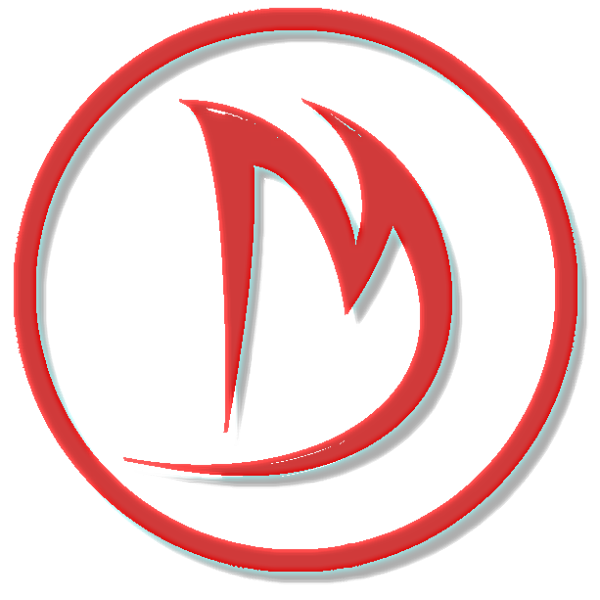
Logo primary color (flame element). Imagineer pillar accent. Headlines and hero text (sparingly, for impact). Primary call-to-action buttons. Hover and active states. Accent elements (dividers, icons, highlights). Pull quotes and emphasis.
Steel Gray
#AFAEAE
Logo secondary color (ring and dimensional shadow), subheadings and secondary text where appropriate, borders/dividers, icon fills (secondary/inactive states), card borders.
Near Black
#1A1A1A
Display headings, hero text, high-impact moments. 14.5:1 on Off-White.
Deep Charcoal
#2D2D2D
Primary body text. 11.3:1 on Off-White.
Off-White
#F5F5F5
Primary background. Canvas. Open, clear, breathing room.
White
#FFFFFF
Cards and elevated surfaces — visually "lifts" above #F5F5F5.
Smoke
#6B6B6B
Captions, metadata, timestamps, helper text. 5.9:1 on Off-White.
Ash Gray
#D4D4D4
Disabled buttons, inactive form fields, placeholder borders.
Logo & Assets
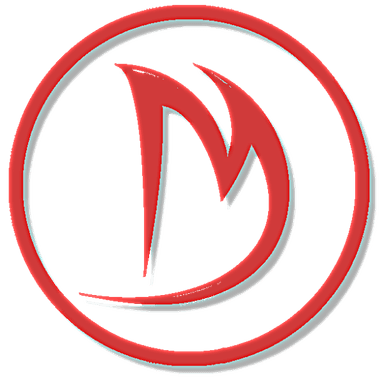
Primary Logo
PNG with transparency. Suitable for web, print, and social media use. Do not alter colors or proportions without written permission.
Press & Media Inquiries
For interviews, feature requests, speaking engagements, or any other press needs, reach out directly.